A (Brief) History of
Crypto_
From a nine-page whitepaper to a trillion-dollar asset class — the story of how trustless money, smart contracts, and decentralised finance rewrote the rules of value on the internet.
Satoshi's Whitepaper
On October 31st, a figure named Satoshi Nakamoto emails a cryptography mailing list a 9-page PDF: "Bitcoin: A Peer-to-Peer Electronic Cash System." No one notices at first. The 2008 financial crisis rages. The timing is not accidental.
Block Zero
The Genesis Block is mined. Embedded in the coinbase: "The Times 03/Jan/2009 Chancellor on brink of second bailout for banks." Bitcoin's founding manifesto fits in a headline. Satoshi mines 50 BTC worth nothing. They are worth $5 million today.
The Pizza Transaction
Laszlo Hanyecz pays 10,000 BTC for two pizzas from Papa John's — the first documented real-world Bitcoin purchase. May 22nd is forever "Bitcoin Pizza Day." Those coins are worth approximately $600 million at peak prices. The pizza was worth $41.
Satoshi Disappears
After handing over the Bitcoin codebase to Gavin Andresen, Satoshi Nakamoto sends a final email and vanishes. Their identity remains unknown. Their estimated 1.1 million BTC — roughly $110 billion — has never been moved. Perhaps the most consequential ghost in history.

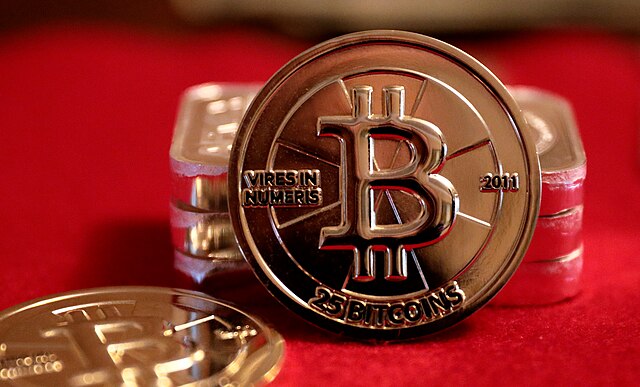
The root problem with conventional currency is all the trust that's required to make it work.
Silk Road Opens
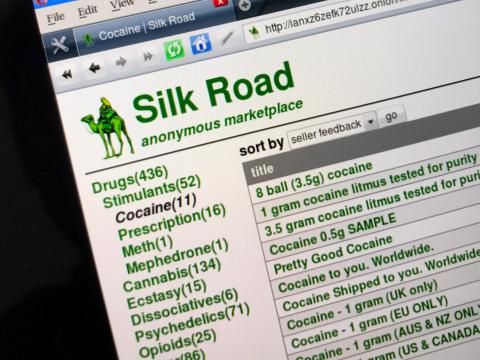
Ross Ulbricht launches Silk Road — a Tor-hidden marketplace using Bitcoin as currency. It processes $1.2 billion in transactions before the FBI shuts it down in 2013. It proves Bitcoin works for uncensorable transactions. It also terrifies regulators worldwide.
Bitcoin Hits $1
Bitcoin reaches parity with the US Dollar for the first time on February 9th, 2011. Then it hits $32 by June. Then crashes back to $2. The first of many bubble-and-crash cycles. Speculators, anarchists, and cypherpunks all arrive at once.
$1,000 Bitcoin
Bitcoin crosses $1,000 for the first time in November 2013, driven by Chinese demand and Silk Road notoriety. Cyprus's banking crisis earlier that year drives European interest in "digital gold." The concept of Bitcoin as a store of value — not just currency — takes hold.
Mt. Gox Collapse
Mt. Gox — handling 70% of all Bitcoin transactions — halts withdrawals and files for bankruptcy. 850,000 BTC (then $450M, now $85B+) vanish. The first great crypto trauma. The phrase "not your keys, not your coins" becomes gospel.
Law.
Ethereum Launches
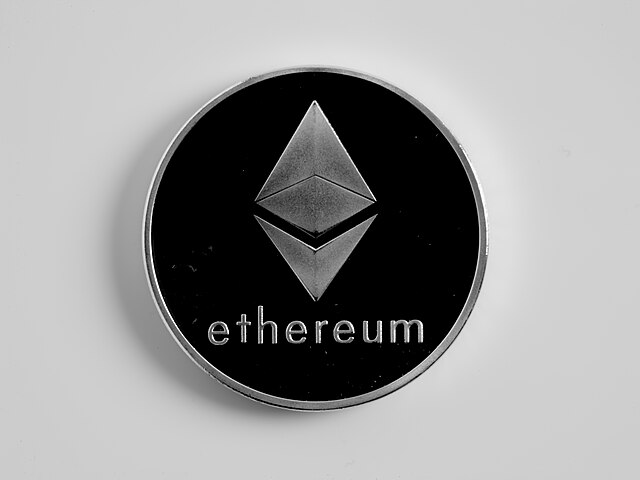
Vitalik Buterin, then 21, launches Ethereum — a blockchain that runs code, not just transactions. Smart contracts. Self-executing agreements with no intermediaries. The financial system suddenly has a new operating system. It raises $18M in an early token sale.
The DAO Hack
The DAO — a decentralised venture fund — raises $150M in ETH, then loses $60M to a smart contract exploit. Ethereum forks to reverse the hack. Ethereum Classic refuses. "Code is law" meets "sometimes code is wrong." The ideological fracture never fully heals.
Stablecoins Appear
MakerDAO launches DAI — a crypto-backed stablecoin pegged to $1 without a bank behind it. Tether (USDT) grows rapidly. The concept of a dollar you can program emerges. It will become the backbone of DeFi. Central banks start paying attention.
CryptoKitties Breaks Ethereum
A game about breeding digital cats congests the entire Ethereum network. Transactions take hours. Fees spike. The world notices. CryptoKitties is absurd. But it proves the concept of digital scarcity and unique on-chain assets — the seed of NFTs.


A blockchain is a magic computer that anyone can upload programs to and leave the programs to self-execute.
Bitcoin Hits $20,000
Bitcoin crosses $19,783 on December 17th, 2017. Your grandmother asks about Bitcoin at Christmas dinner. CNBC runs round-the-clock coverage. Futures trading launches on the CME. The peak of the first mainstream crypto bubble. It crashes 84% over the following year.
ICO Explosion
Initial Coin Offerings raise $5.6 billion in 2017. Most are worthless. Many are scams. Literally anyone can raise millions by publishing a whitepaper. The SEC eventually classifies most as illegal unregistered securities. The golden age of "just vaporware."
Bitcoin Cash Fork
The "block size war" splits Bitcoin. Bitcoin Cash (BCH) forks, arguing bigger blocks enable payments. Craig Wright claims to be Satoshi. Roger Ver calls Bitcoin Core a betrayal. A civil war over $5 transaction fees. Bitcoin survives, but the tribalism is permanent.
Crypto Winter
Bitcoin falls from $20K to $3,200. 95% of ICO tokens go to zero. Hundreds of projects die. Exchanges lay off staff. The bear market lasts two years. But development accelerates — builders build when prices fall. DeFi is conceived in the ruins of 2018.
Bank.
Yield Farming Explodes
Compound Finance starts distributing COMP governance tokens. "Yield farming" enters the lexicon. $1 billion in DeFi TVL in June becomes $15 billion by December. Uniswap, Aave, Curve emerge. A shadow financial system, replicated in code, running 24/7 with no humans required.
Bitcoin Hits $69,000
Bitcoin reaches $69,044 on November 10th, 2021. El Salvador makes Bitcoin legal tender — the first nation to do so. Tesla buys $1.5B in BTC. Coinbase lists on NASDAQ. Institutional adoption, once theoretical, arrives. The "digital gold" narrative hardens.
Beeple's $69M Sale
Christie's sells Beeple's "Everydays: The First 5000 Days" NFT for $69 million. Bored Ape Yacht Club launches. Celebrities, brands, and athletes pile in. NFT trading volume hits $17 billion in 2021. The question of digital ownership enters mainstream culture.
Terra/Luna Collapse
Terra's algorithmic stablecoin UST loses its peg. LUNA, once a top-10 cryptocurrency worth $40B, falls to near zero in 72 hours. $60 billion in market cap evaporates. Do Kwon is later arrested. The incident destroys confidence in algorithmic stablecoins permanently.
FTX Implodes
Sam Bankman-Fried's FTX — the second-largest crypto exchange — collapses in days after revelations it used customer funds to prop up its trading arm. $8 billion in losses. SBF is arrested, tried, and sentenced to 25 years. The industry's darkest hour since Mt. Gox.
Ethereum Goes Proof of Stake
The Merge — Ethereum transitions from energy-intensive proof-of-work to proof-of-stake. Energy consumption drops 99.95% overnight. Years in the making, executed flawlessly. The most complex upgrade ever made to a live $200 billion financial system.

Bitcoin is a swarm of cyber hornets serving the goddess of wisdom, feeding on the fire of truth.
Bitcoin ETF Approved
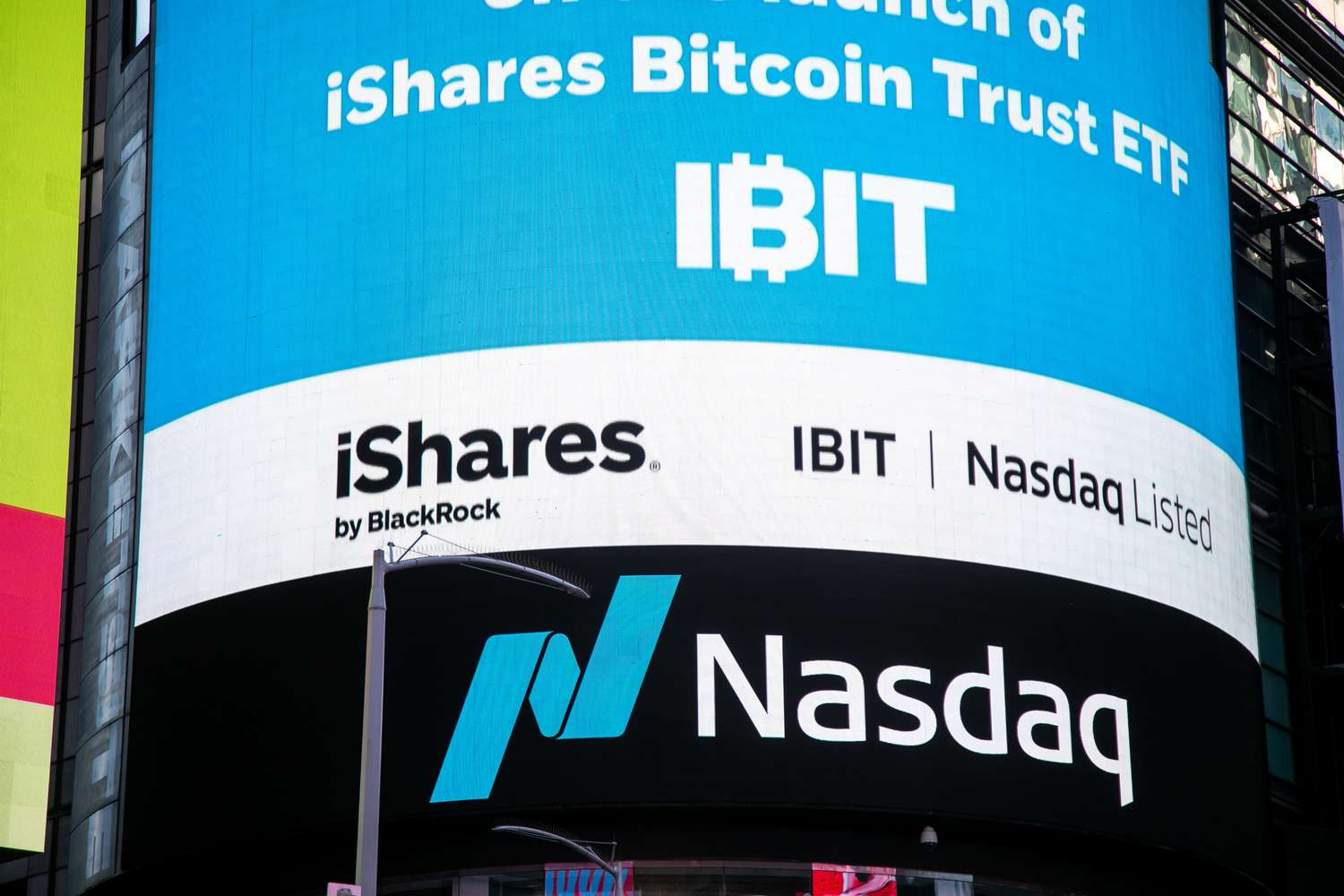
The SEC approves the first spot Bitcoin ETFs after a decade of rejections. BlackRock, Fidelity, and Invesco launch products immediately. In the first week, Bitcoin ETFs see $10 billion in inflows. A 15-year battle between crypto and TradFi ends with Wall Street winning.
The Fourth Halving
Bitcoin's block reward halves from 6.25 to 3.125 BTC. Issuance falls below gold's annual inflation rate for the first time. The supply shock, combined with ETF demand, drives Bitcoin to all-time highs. Halving cycles have defined every crypto bull market.
$109K All-Time High
Bitcoin reaches $109,000 following Donald Trump's election victory and pledges to make the US a "Bitcoin superpower." MicroStrategy holds over 400,000 BTC. Nation-states begin building strategic Bitcoin reserves. The asset that started at $0.008 has done 13 million times that.
US Strategic Bitcoin Reserve
President Trump signs an executive order establishing a US Strategic Bitcoin Reserve, directing Treasury to hold seized Bitcoin as a long-term national asset. El Salvador, Bhutan, and Abu Dhabi had already moved first. The nation-state accumulation race — long theorised — is underway.
Nation-State Reserve Race
The US Strategic Bitcoin Reserve triggered a geopolitical arms race. El Salvador, Bhutan, and Abu Dhabi moved first. Russia, China, and the EU are watching. Nations that accumulated early will have an asymmetric advantage as scarcity compounds. The question is no longer if sovereign Bitcoin adoption happens — it's which nations are first and last.
Layer-2 Goes Mainstream
Base, Arbitrum, Optimism, and zkSync process more transactions than Ethereum mainnet combined. Fees drop to fractions of a cent. Consumer apps — payments, gaming, social — launch on L2 without users knowing they're on a blockchain. The scaling problem that plagued crypto for a decade is functionally solved. The UX problem is next.
Institutional DeFi & On-Chain Finance
BlackRock's BUIDL fund tokenises treasuries on Ethereum. JPMorgan's Onyx processes trillions in repo settlements on-chain. Compliant DeFi protocols with on-chain KYC emerge. The wall between TradFi and DeFi dissolves from both sides — not through crypto winning, but through Wall Street absorbing the rails. The internet of value arrives wearing a suit.
CBDCs vs Crypto: The Privacy War
Over 130 countries are developing Central Bank Digital Currencies — programmable government money with expiry dates, spending restrictions, and full surveillance capability. Bitcoin and privacy-preserving protocols become the ideological opposition: uncensorable, self-sovereign, permissionless. The defining conflict of the next decade isn't crypto vs banks. It's privacy vs the state.





From Satoshi's white paper to DeFi and beyond — the complete story of digital money, trustless networks, and the blockchain revolution.