
A (Brief) History of
The Easter Bunny_
From ancient spring goddess rites and Germanic folk customs to mass-market chocolate commerce and digital meme culture.
From ancient spring goddess rites and Germanic folk customs to mass-market chocolate commerce and digital meme culture.
From ancient spring goddess rites and Germanic folk customs to mass-market chocolate commerce and digital meme culture — the surprisingly layered mythology of a candy-toting rabbit.

Germanic peoples venerated Eostre (or Ostara), a goddess of spring and dawn. The Venerable Bede first mentioned her in 725 CE, noting that April was called "Ēosturmōnaþ" in her honor. While her myths are sparse, she represents the archetype from which Easter's name derives.
Across Eurasian cultures, the hare was associated with the moon, fertility, and rebirth. In ancient Egypt, hares symbolized new life. Celtic traditions linked them to the supernatural. The hare's speed, prolific reproduction, and crepuscular habits made it an enduring symbol of spring's explosive vitality.
Long before Christianity, eggs featured in spring renewal festivals across Persia, Egypt, and Greece. The egg was a potent symbol of potential life — of the cosmos itself in some traditions. Decorating eggs predates the Easter tradition by thousands of years, as evidenced by decorated ostrich eggs found in African archaeological sites dating to 60,000 BCE.
As Christianity spread through northern Europe, it absorbed or reframed existing spring festivals. The Resurrection narrative of new life aligned naturally with pre-existing spring symbolism. The Council of Nicaea (325 CE) formalized Easter's timing, but folk customs around eggs, hares, and spring celebrations persisted alongside Christian observance.
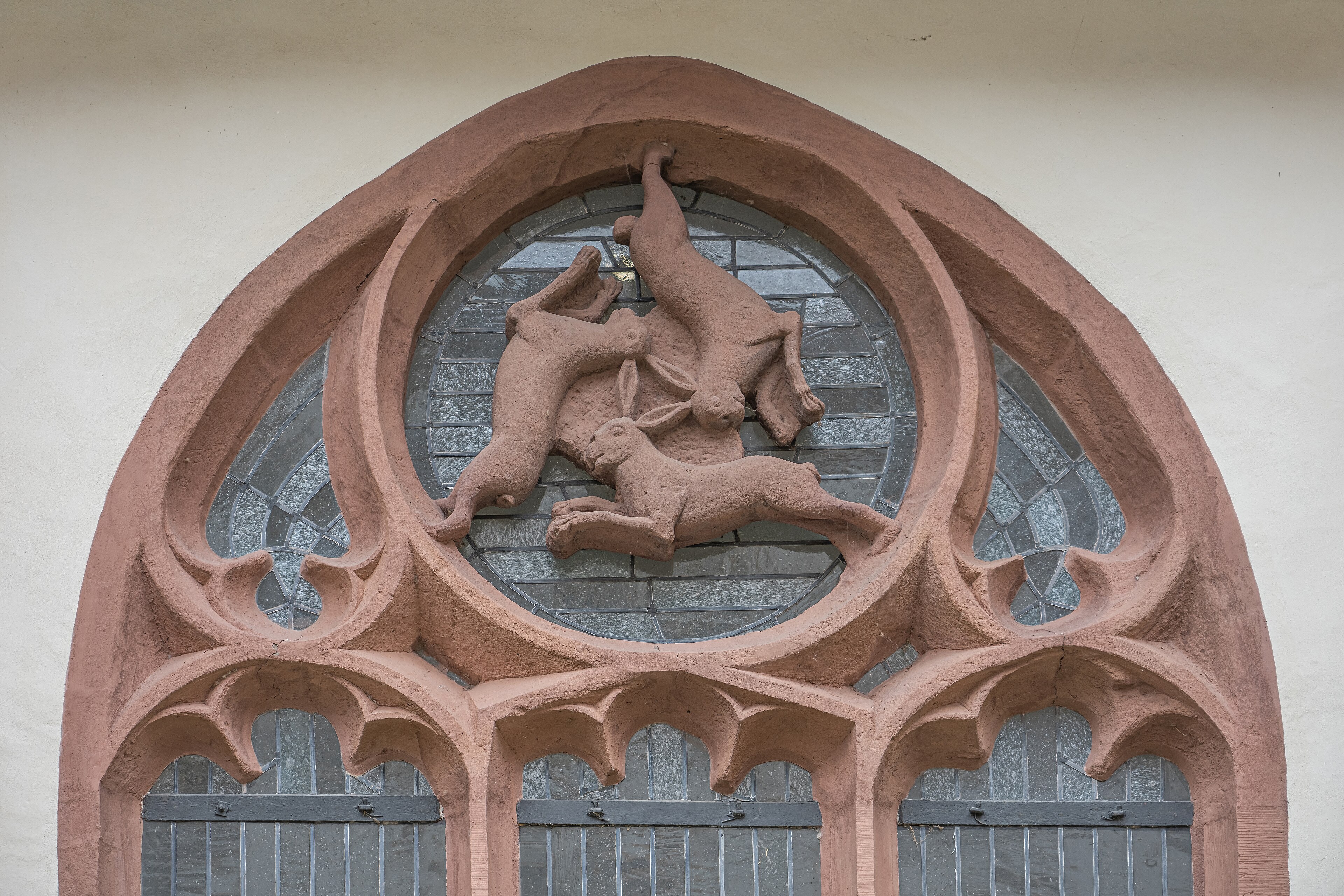
A mysterious symbol appears in medieval churches across Europe and Asia: three hares arranged in a circle, each sharing an ear with its neighbors, so that only three ears are visible. Found in Devon's "Tinners' Rabbits" church carvings and across the Silk Road, the symbol carries spiritual resonance that predates any specific tradition.
The Catholic Church forbade the eating of eggs during Lent. Chickens, indifferent to religious calendars, kept laying. The surplus eggs accumulated through the 40-day fast, and on Easter Sunday they were blessed and joyfully consumed — a practical origin for Easter eggs that the Church formalized into tradition.
Spring hare hunts were common across medieval Europe — partly practical (hare populations peak in spring), partly ceremonial. Children's games involving hares and eggs appear in English, German, and Dutch folklore. The hare as a deliverer of gifts — a proto-Santa figure for spring — emerges from this folk substrate.
The household rolls of King Edward I of England record the purchase of 450 eggs to be boiled, dyed or covered in gold leaf, and distributed to the royal household as Easter gifts. This is among the earliest documented instances of decorated eggs as Easter gifts in English royal tradition.
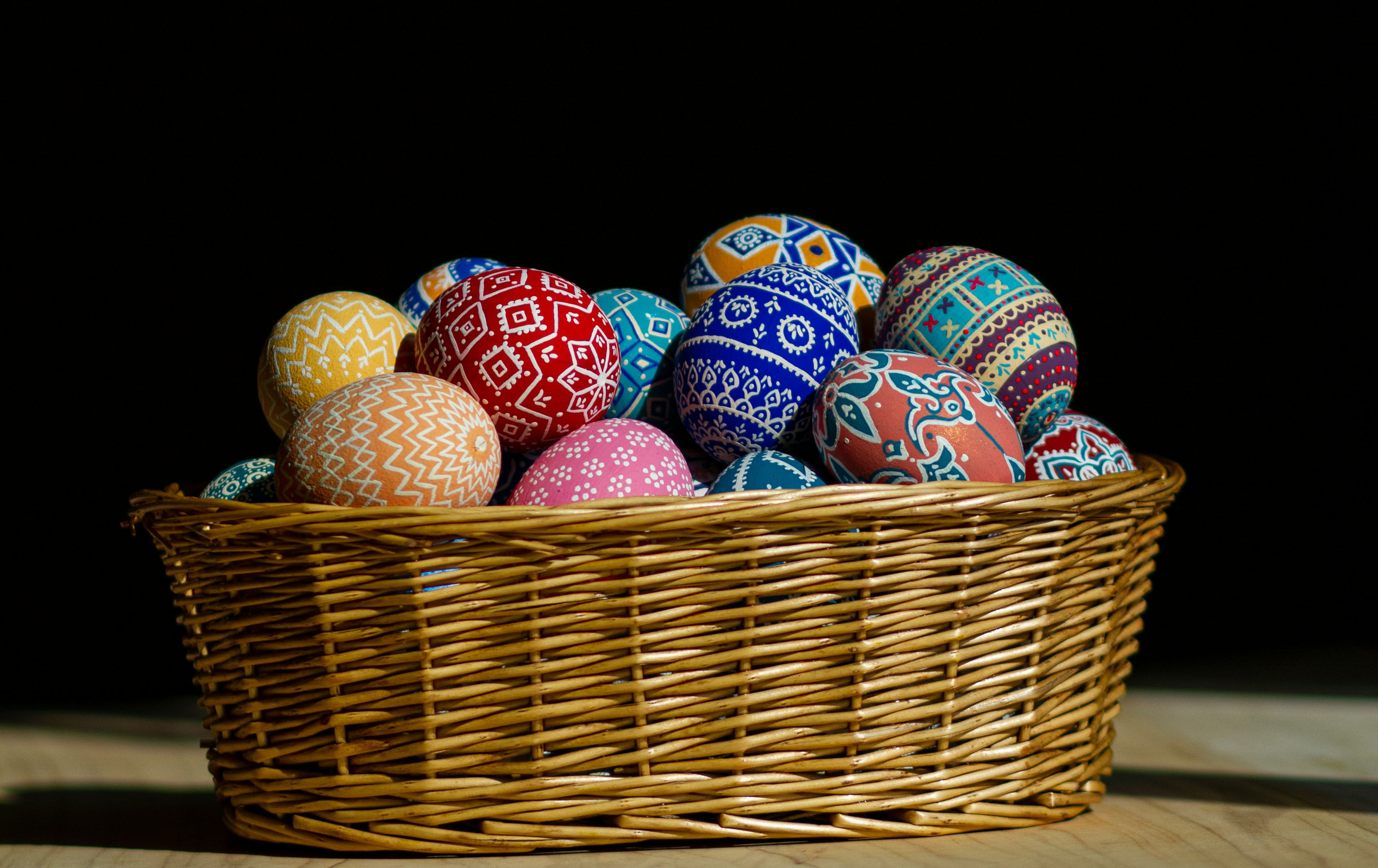
Georg Franck von Franckenau's scholarly pamphlet De ovis paschalibus (On Easter Eggs) becomes the first documented reference to the Oschter Haws — the Easter Hare — in the Alsace region of Germany. He describes children being told the hare lays eggs in the garden, which they then hunt for.
German Protestant traditions develop the Oschter Haws as a moral figure — an egg-laying hare who judges whether children have been good or naughty before Easter. Good children receive colored eggs hidden in nests; bad children receive nothing. It's a spring analog to St. Nicholas, reflecting Lutheran emphasis on moral instruction.
German children begin making nests in hats, bonnets, or baskets for the Easter Hare to fill with colored eggs. The nests had to be hidden in secret spots in the garden or barn. This practice — nests becoming baskets, filled with eggs and sweets — is the direct ancestor of the Easter basket tradition.
Different German regions had competing spring egg-bringers: foxes, cuckoos, roosters, and the Easter Bell (in Catholic areas). The hare was predominantly Protestant and concentrated in Alsace, the Rhineland, and Württemberg. Its eventual global dominance over these regional competitors is a story of migration and cultural momentum.
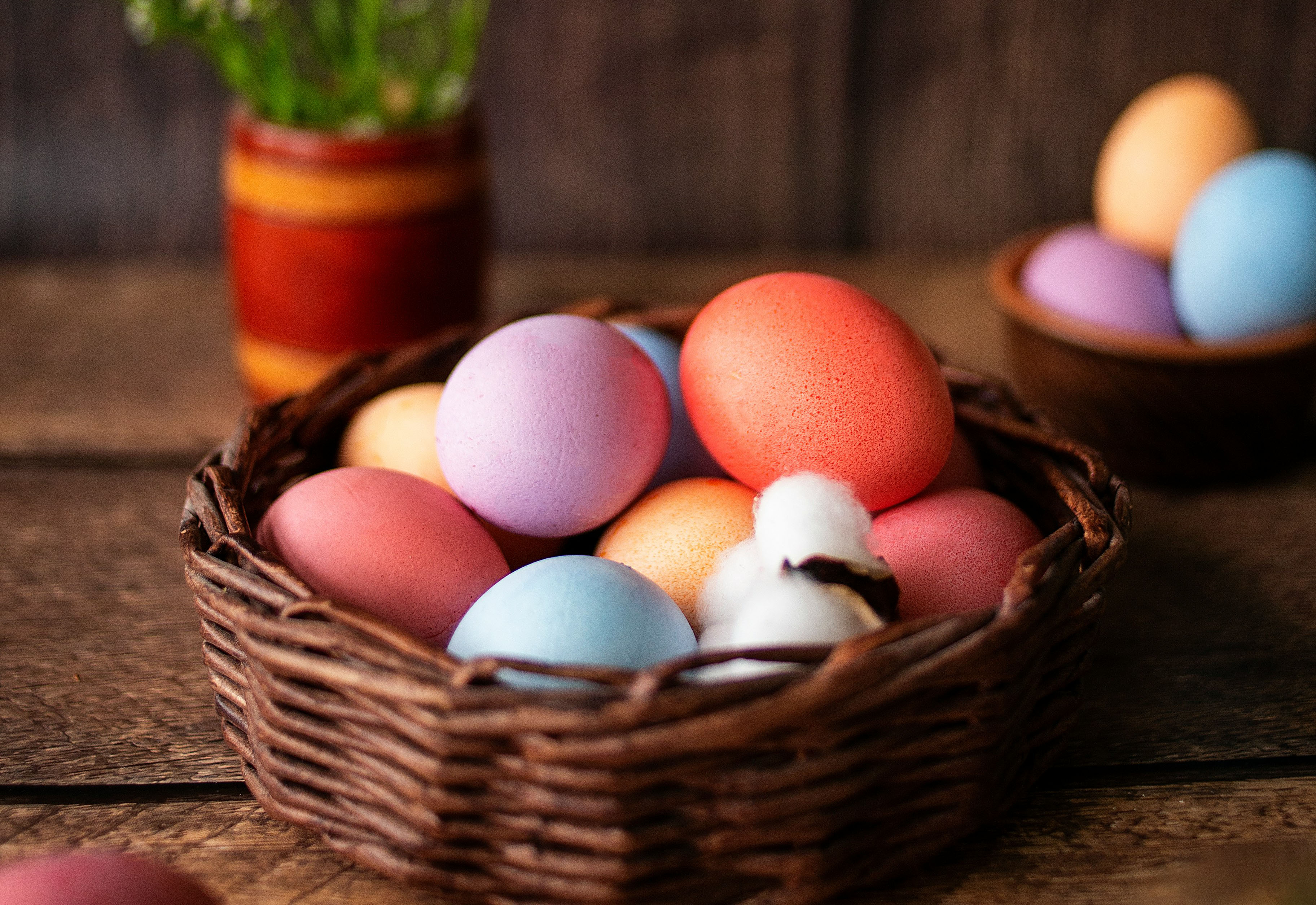
German immigrants (called "Pennsylvania Dutch" from "Deutsch") settle in Pennsylvania and bring the Oschter Haws with them. Accounts from the 1700s describe German settlers telling their children about the egg-laying Easter Hare. The tradition remains initially confined to German-speaking communities in Pennsylvania and surrounding areas.
American sources begin adopting "Easter Bunny" over "Easter Hare" — a linguistic shift that softens and domesticates the figure. Rabbits, more familiar to American children than European hares, gradually replace the hare in the popular imagination. The bunny's rounder, more cuddly appearance makes it better suited for children's imagery.
The Victorian greeting card industry — already flourishing with Christmas cards — embraces Easter. Chromolithographed Easter cards featuring bunnies, chicks, and eggs flood the market. Louis Prang, the "Father of the American Christmas Card," begins producing elaborate Easter cards in the 1870s, cementing the rabbit as the holiday's mascot.
President Rutherford B. Hayes hosts the first official White House Easter Egg Roll, after children were banned from rolling eggs on the Capitol lawn. The tradition of the presidential Easter Egg Roll begins, cementing the Easter Bunny as a civic and national figure in American life. It continues to the present day.
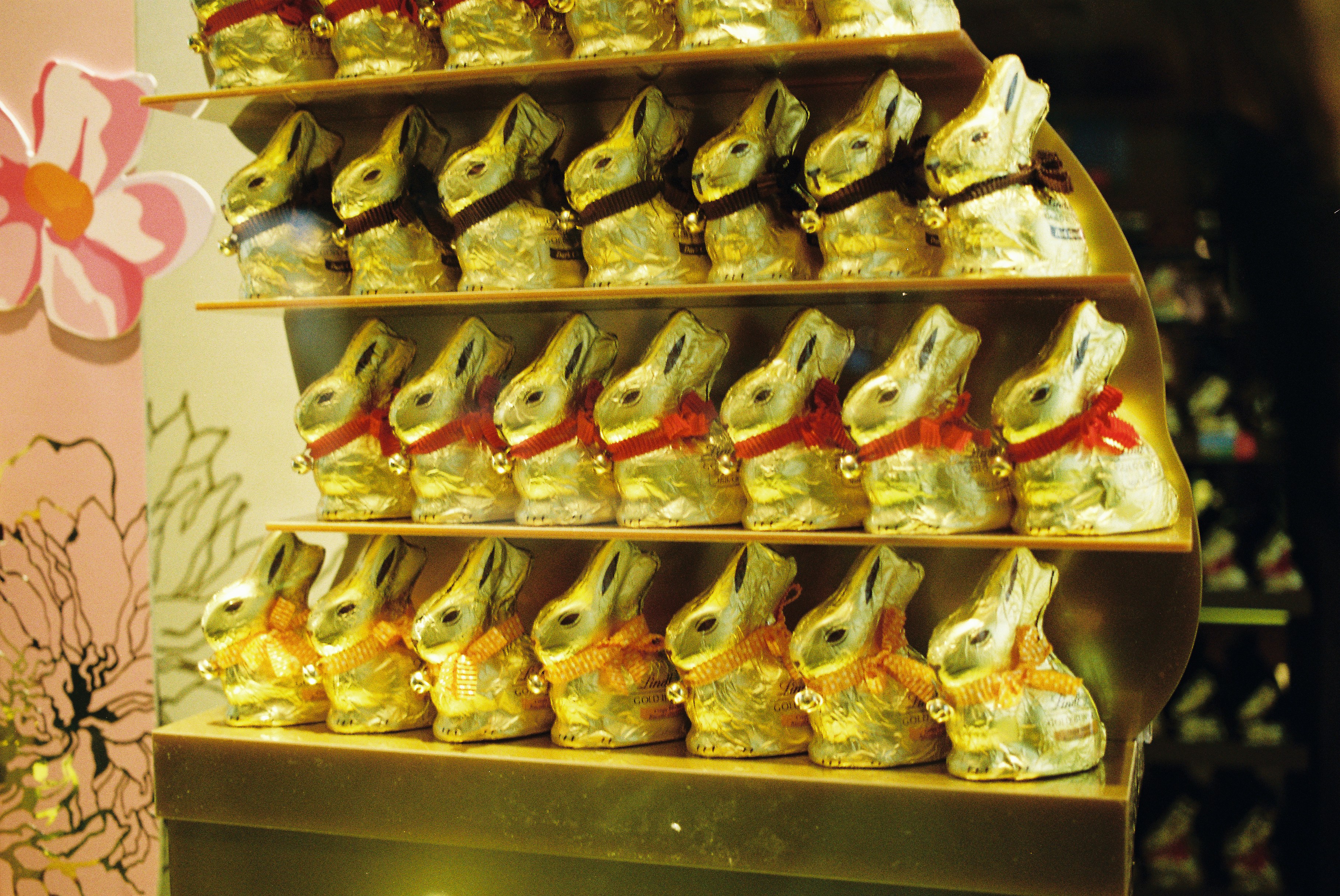
Cadbury and Rowntree's begin mass-producing chocolate Easter eggs in Britain in the 1870s. By the early 20th century, chocolate Easter bunnies appear in German and American confectionery catalogues. The hollow chocolate rabbit becomes the era's defining commercial product — sweet, edible, and irresistible to children.
The American greeting card industry — led by Hallmark, founded 1910 — aggressively promotes Easter as a major gift-giving holiday. Easter becomes the second-biggest greeting card holiday after Christmas, with the bunny front and center on millions of cards, tablecloths, decorations, and toys sold each spring.
Just Born Quality Confections introduces Peeps marshmallow chicks (and later bunnies), produced by hand in Bethlehem, Pennsylvania. Originally taking 27 hours to make one chick, automation eventually enables production of 700+ million Peeps annually. Peeps become one of the most divisive confections in American history — beloved and despised in equal measure.
Following the success of mall Santas, shopping centers deploy live Easter Bunnies for children to visit and photograph. The costumed Easter Bunny — often a far more uncanny figure than jolly St. Nick — becomes an American retail staple. Easter basket sales boom as the holiday basket mirrors the Christmas stocking in commercial logic.
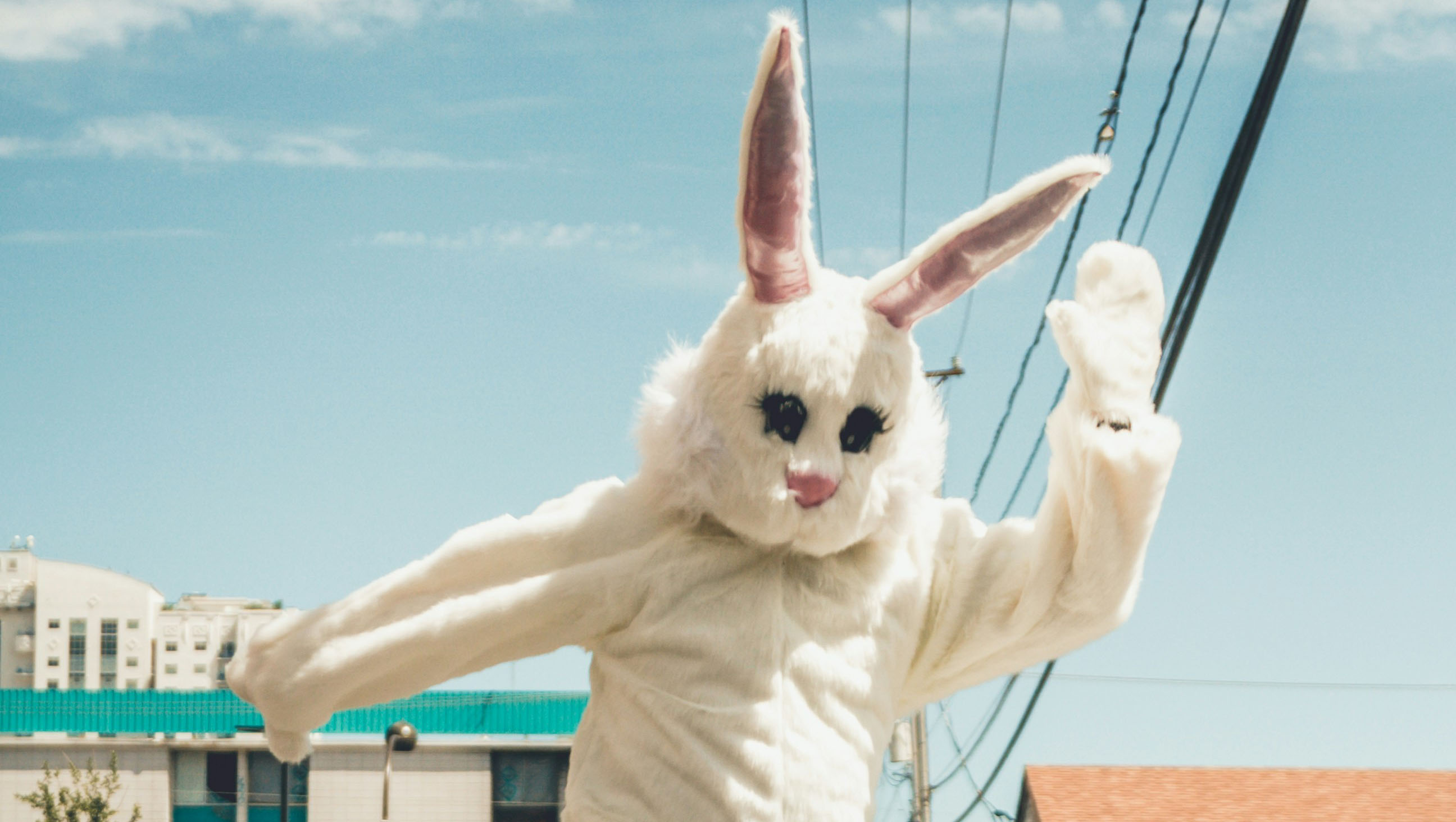
The Easter Bunny becomes a fixture of holiday film and television. From friendly animated specials to the subversive Easter Bunny of Donnie Darko (2001) — in which Frank the sinister rabbit represents fate and doom — Hollywood mines the figure's inherent uncanniness. The contrast between cute surface and existential undertow becomes creatively fertile territory.
Hop (2011) brings the Easter Bunny to live-action/CGI blockbuster territory, depicting him as a rock-star wannabe who'd rather play drums than deliver Easter baskets. The film grossed $183 million worldwide, confirming the Easter Bunny as a viable cinematic property and introducing a new generation to the character's commercial mythology.
Internet culture discovers what children have always known: mall Easter Bunnies are terrifying. Compilations of nightmare-inducing costume bunnies go viral. The "creepy Easter Bunny" becomes a rich meme genre, spawning subreddits, Instagram accounts, and annual photo collections. The holiday's inherent absurdity — a giant rabbit hiding eggs — finally gets the ironic treatment it deserves.
As Western societies become more secular, the Easter Bunny — like Santa Claus — increasingly serves as a secular focal point for the holiday. For many families with no religious observance, the Easter Bunny, egg hunts, and chocolate are the entire holiday experience. The figure has fully detached from its Christian context to become a stand-alone spring mascot.
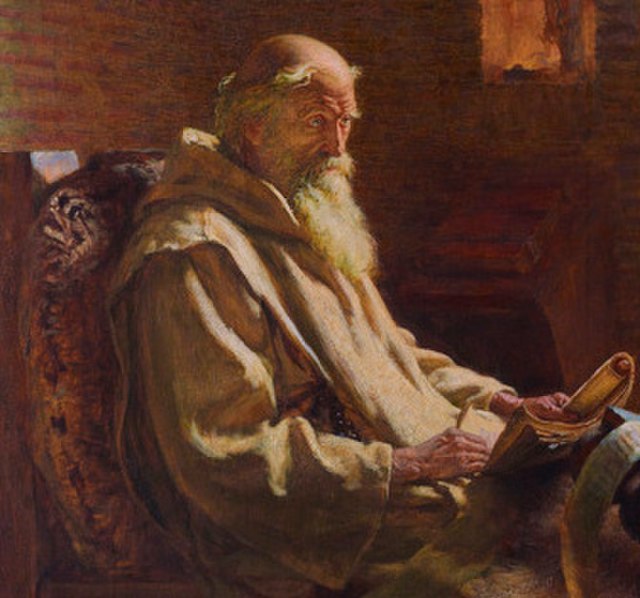
The 8th-century Anglo-Saxon monk and scholar who first documented the goddess Eostre and the month named in her honor, providing the foundational written link between spring goddess worship and the Easter celebration.
Wikipedia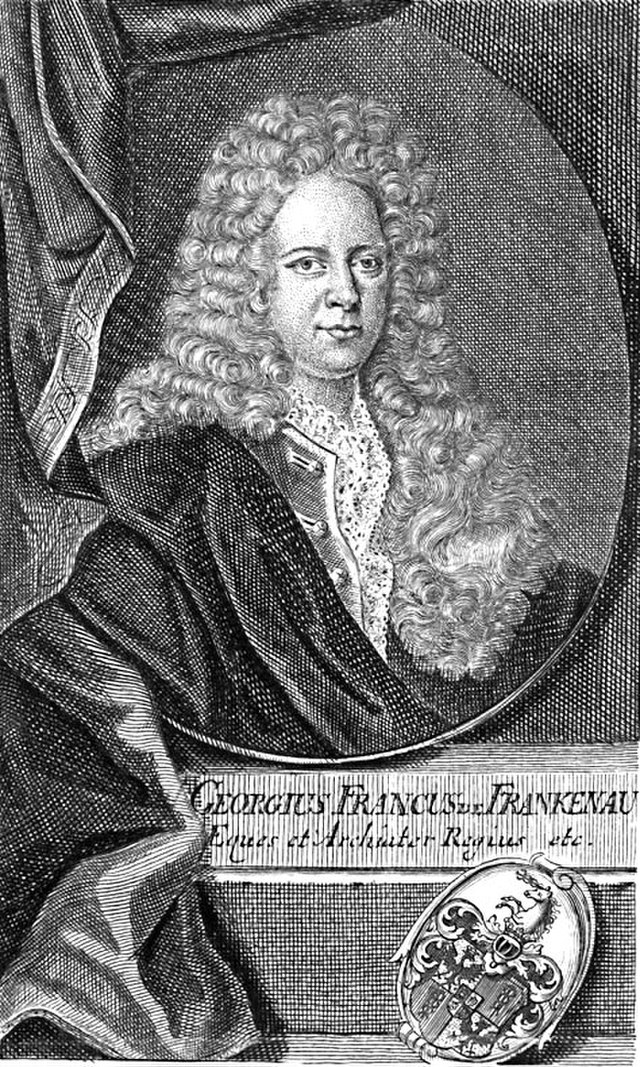
German physician and scholar who authored De ovis paschalibus (1682), the first written account of the Easter Hare (Oschter Haws) as a figure that lays eggs for children in Alsace — the foundational document for Easter Bunny history.
Wikipedia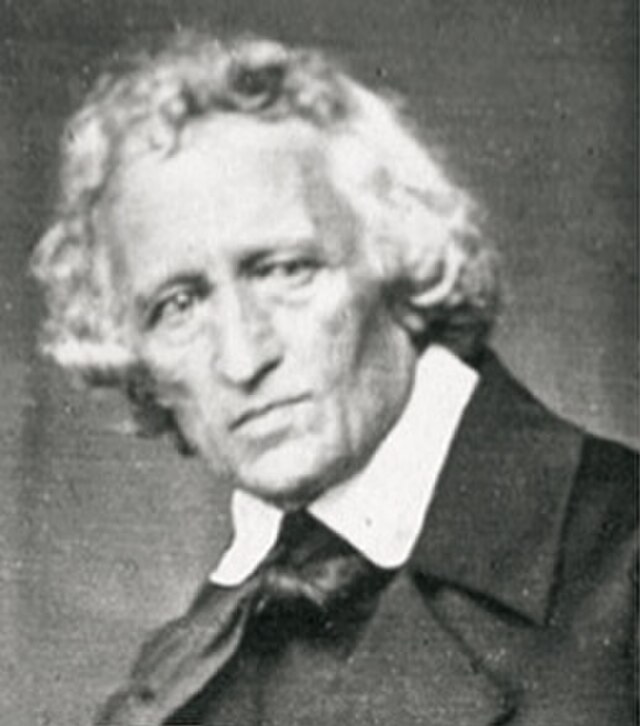
The German folklorist theorized in Deutsche Mythologie (1835) that Ostara was a genuine goddess with a sacred hare. Though debated by scholars, Grimm's theory dramatically shaped how people understand the Easter Bunny's mythological origins.
Wikipedia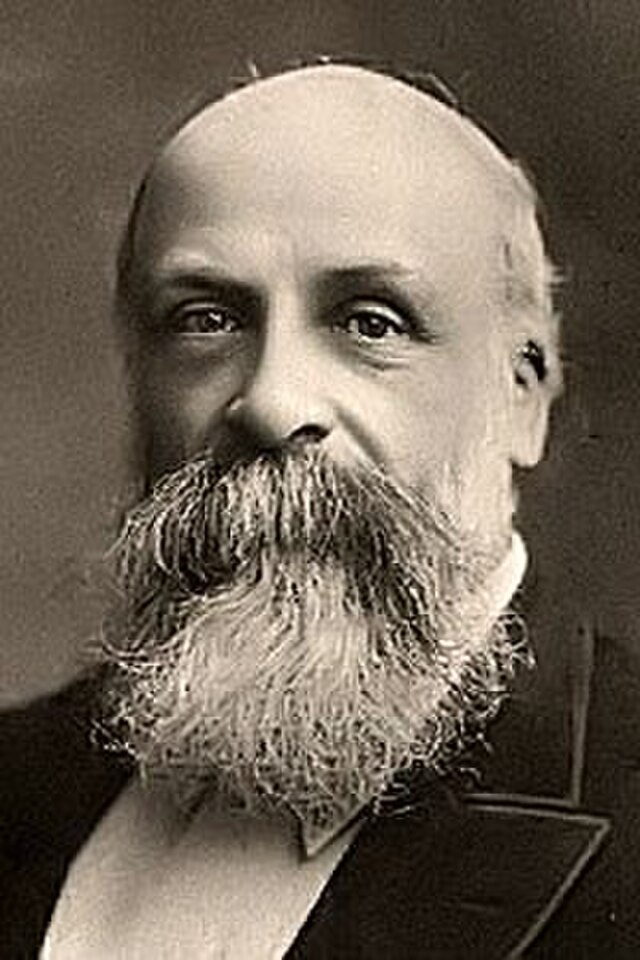
Son of Cadbury founder John Cadbury, Richard pioneered the ornate chocolate Easter egg in 1875 and introduced heart-shaped Valentine's boxes. His innovations transformed Easter from a religious observance into a confectionery-driven commercial holiday.
Wikipedia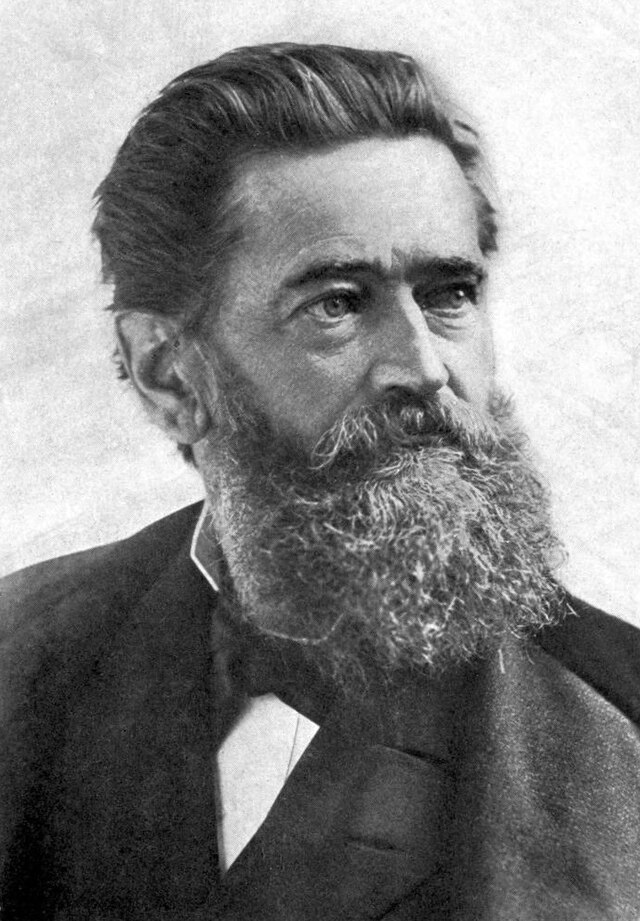
Known as the "Father of the American Christmas Card," Prang also pioneered the mass-produced Easter greeting card in America in the 1870s. His vibrant chromolithographed cards featuring Easter Bunnies set the visual template for Easter iconography.
Wikipedia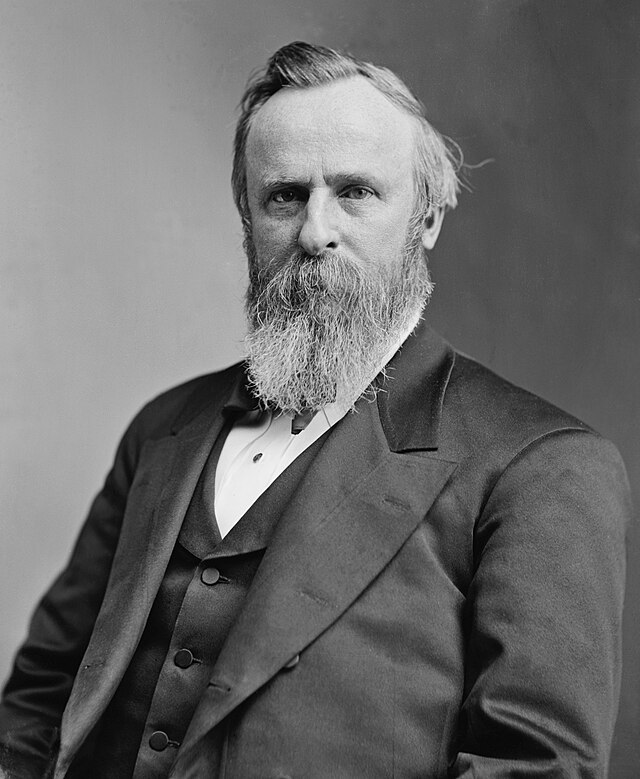
The 19th U.S. President who in 1878 opened the White House grounds for the first official Easter Egg Roll, after Congress banned children from using Capitol Hill. This tradition, now in its 147th year, anchors the Easter Bunny firmly in American civic life.
Wikipedia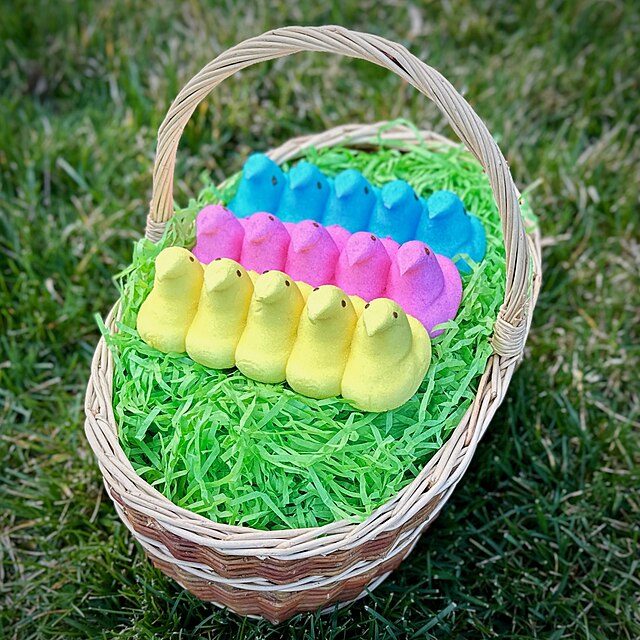
The Just Born candy company — founded by Russian immigrant Sam Born, led later by the Just family — introduced Peeps marshmallow chicks in 1953 after acquiring the Rodda Candy Company. Peeps became the best-selling non-chocolate Easter candy in America.
Wikipedia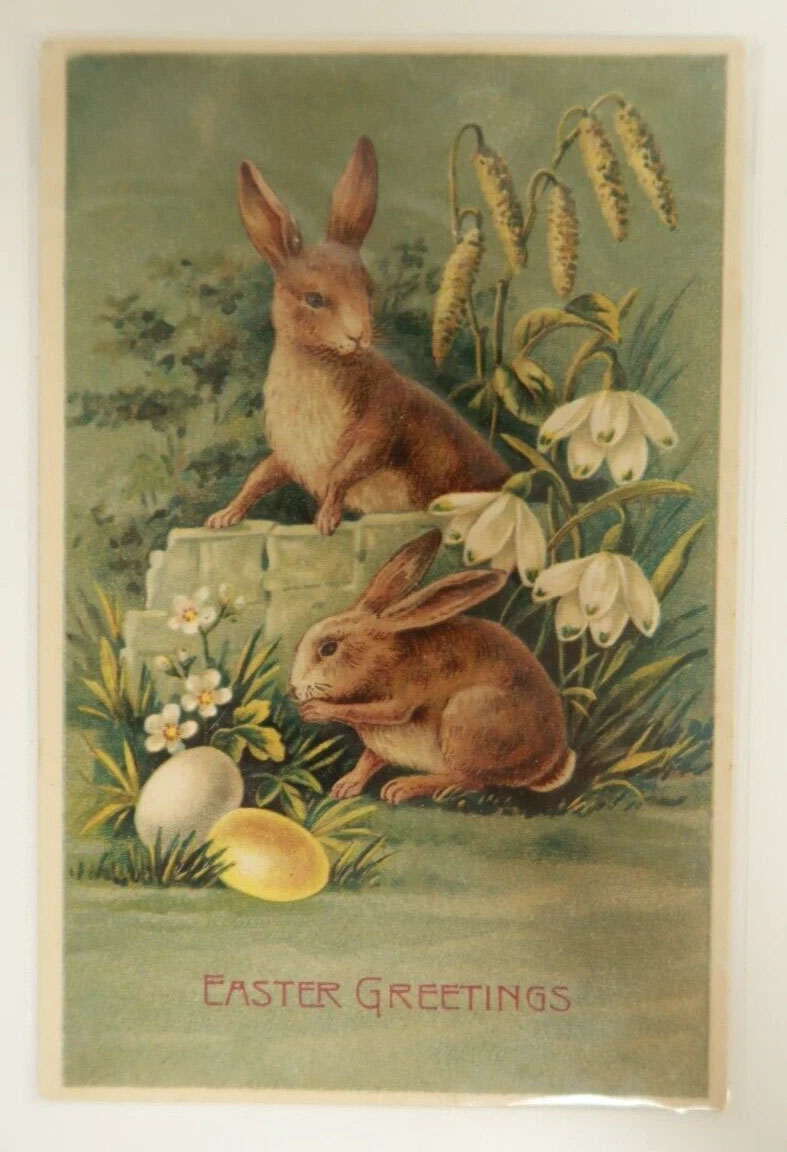
Hallmark's Easter card designers — working anonymously through the mid-20th century — standardized Easter Bunny iconography across millions of cards, gifts, and decorations, creating the pastel-and-bunny visual language that defines Easter in popular imagination.
Wikipedia
Director of Donnie Darko (2001), in which a demonic rabbit named Frank represents fate and destruction. Kelly's film transformed the Easter Bunny from wholesome mascot into a potent symbol of dread, launching a thousand Halloween costumes and cementing the figure's uncanny cultural double life.
Wikipedia
In American Gods and related works, Gaiman explored how pagan figures survive in modern culture — a framework that illuminates the Easter Bunny's own trajectory. His character Ostara (Easter) dramatizes the tension between ancient goddess and commercial holiday mascot.
WikipediaAI-powered apps allow families to create personalized Easter Bunny messages, letters, and AR visits — extending the Santa-tracking model to Easter. Children can receive custom videos from "their" Easter Bunny with their name and personal details, deepening the myth even as belief ages out earlier than before.
As consumers become more attuned to supply chain ethics, the Easter candy industry faces growing pressure on fair-trade chocolate sourcing, sustainable packaging, and the environmental footprint of seasonal plastic eggs. Artisan Easter traditions — naturally dyed eggs, homemade baskets — may enjoy a revival as counterpoint.
As the Easter Bunny continues spreading globally, local cultures are adapting it to their own contexts: Bilby replaces bunny in Australia (the bilby is native, the rabbit is an invasive pest), while Korean and Japanese Easter markets put their own visual spin on the tradition. Glocalisation of the Easter Bunny accelerates.
As religious observance declines in many Western nations, Easter increasingly functions as a purely secular spring holiday — closer in spirit to its pre-Christian roots than its Christian development. The Easter Bunny, as a non-religious figure, is perfectly positioned to serve as mascot for a springtime celebration stripped of theological freight.
This guide traces the Easter Bunny from its disputed pagan roots through Germanic folklore, American immigration, and industrial confectionery to its present life as secular spring mascot and internet meme.