Hacking was never really about crime. It was about curiosity that power structures couldn't contain. Every time an institution tried to shut it down, it mutated into something harder to stop. The government learned that lesson the hard way — and then became the biggest hacker of them all.
Before there was an internet to hack, there was a phone network. The first hackers weren't in basements with computers — they were teenagers with toy whistles, discovering that AT&T's entire long-distance switching system could be fooled by a 2600 Hz tone. The company that controlled communications for an entire nation had a fatal flaw, and a subculture built itself around it.
AT&T Switching Network
Tone Generators, 1970s
The Blue Box Era
/* 01 of 04 */
1955
The Whistle That Broke AT&T
A teenager discovers a Cap'n Crunch box whistle produces exactly 2600 Hz — the tone AT&T used to signal an open long-distance line. John Draper, "Captain Crunch," turns this into free calls anywhere. AT&T's billion-dollar network had a 25-cent vulnerability.
Esquire publishes "Secrets of the Little Blue Box." Two young readers are inspired: Wozniak and Jobs. They sell blue boxes from their Berkeley dorm for $150 each. The first Apple product isn't a computer — it's a phone hack. Jobs credits it as the origin of Apple's philosophy.
Captain Crunch is arrested for toll fraud — then again. AT&T couldn't patch the fundamental architectural flaw. The lesson: criminalizing curiosity doesn't end it. It radicalizes it.
Ward Christensen and Randy Suess launch CBBS in Chicago. Phreakers have a networked home. Files, tools, exploits — shared freely, anonymously, over phone lines. The hacker underground has its first infrastructure, and it doesn't need anyone's permission to exist.
Personal computers changed everything. Hacking wasn't just whistles anymore — it was machines that could reach anywhere a phone line could go. A generation of teenagers got modems and discovered the network was a real place, badly locked, and full of interesting things.
/* 01 of 04 */
1983
WarGames Makes Everyone Panic
A Hollywood film about a teenager nearly starting WWIII terrifies the Reagan administration. The same year, the 414s — Milwaukee teenagers — are caught breaking into 60 systems including Los Alamos. Congress holds hearings. The word "hacker" enters mainstream fear.
2600: The Hacker Quarterly launches. Steven Levy publishes Hackers: Heroes of the Computer Revolution, articulating the hacker ethic — information wants to be free, authority is suspect. These weren't just beliefs. They were a political program.
Clifford Stoll, an astronomer, notices a 75-cent discrepancy and follows it for ten months — uncovering Marcus Hess selling US military secrets to the KGB. First documented state-sponsored espionage via computer. The FBI didn't believe him at first.
Cornell grad student Robert Morris releases a worm to demonstrate Unix vulnerabilities. It crashes 6,000 computers — roughly 10% of the internet. Morris becomes the first CFAA conviction. He later co-founds Y Combinator. The same curiosity that breaks things also builds them.
Kevin Mitnick wasn't the most technically sophisticated hacker of his era — he was something more dangerous: a social engineer who understood that the weakest link in any system was the person at the keyboard. The FBI spent five years hunting him. When they caught him, they were so afraid of his voice they put him in solitary.
Social Engineering Era
The Underground, 1990s
FBI Operation Takedown
/* 01 of 04 */
1994
Mitnick Hacks Tsutomu Shimomura
On Christmas Day, Mitnick breaks into the computer of security expert Tsutomu Shimomura — who takes it personally and joins the FBI manhunt. The chase ends in a North Carolina apartment. The hacker has become America's most wanted.
Mitnick's primary weapon isn't code — it's people. He calls employees, pretends to be a technician, talks his way into passwords. 90% of successful breaches involve a human element. The most sophisticated firewall can't patch a helpful employee.
The Computer Fraud and Abuse Act gets broadened into a prosecutorial sledgehammer. Mitnick faces decades in prison for crimes causing no financial loss. Accessing a computer "without authorization" means whatever a prosecutor wants. That ambiguity was a feature.
After five years in prison — eight months solitary — Mitnick becomes a cybersecurity consultant, selling expertise to the corporations and governments that hunted him. The most wanted hacker in history becomes the most trusted voice on stopping hackers.
The internet radicalized hacking. What had been a subculture of curiosity became something with a political consciousness — and a mask. Anonymous had no leaders, no membership, no headquarters. It was an idea: that anyone with the right tools and the right grievance could strike at any institution. Governments had no framework for fighting an entity that didn't legally exist.
/* 01 of 04 */
2003
4chan Births a Movement
Anonymous coalesces on 4chan, then targets the Church of Scientology in 2008 with Project Chanology — DDoS attacks, defacements, real-world protests. The Guy Fawkes mask becomes the image of digital resistance worldwide.
Chelsea Manning leaks 750,000 classified documents to WikiLeaks. Visa, Mastercard, and PayPal cut off funding under US government pressure. Anonymous retaliates with Operation Payback — taking all three offline. Hacktivism and geopolitics have permanently merged.
LulzSec hacks Sony, Fox, Nintendo, the CIA, and the US Senate — not for ideology, but for entertainment. Their point was brutal: companies spending millions on security couldn't stop teenagers on IRC. The word "unhackable" quietly left the professional vocabulary.
Hector "Sabu" Monsegur — one of Anonymous's most prominent leaders — is secretly arrested and flipped. For months he operates as an informant, identifying LulzSec members across three countries. In a leaderless movement, trust is the vulnerability.
Everything changed when governments discovered they'd been ignoring the most powerful weapon of the 21st century. Not warheads — code. Stuxnet proved software could physically destroy hardware without a soldier crossing a border. Snowden proved the NSA had been building the world's largest hacking operation in secret. The hackers were never the biggest threat. The states were.
Critical Infrastructure
The Surveillance State
Natanz, Iran · 2010
/* 01 of 04 */
2010
Stuxnet: The First Cyberweapon
A joint US-Israeli operation deploys Stuxnet against Iranian centrifuges at Natanz — causing them to destroy themselves while reporting normal operation. Software physically destroys hardware without touching it. Every government reads the report and starts building their own version.
Snowden leaks NSA documents proving mass surveillance of American citizens, tapping of allied leaders' phones, and PRISM — harvesting data from Google, Facebook, Apple, and Microsoft. The agency that wrote laws used to prosecute hackers was the world's most prolific unauthorized access operation. Nobody went to prison.
North Korea's Lazarus Group breaches Sony Pictures over a Seth Rogen film. They destroy servers, publish executives' emails, threaten movie theaters. Sony pulls the film. A nation-state commits an act of cyberwar over a comedy. Every major studio now war-games exactly this scenario.
Russian GRU hacks the DNC and uses WikiLeaks, bots, and strategic timing to influence the US presidential election. The US had been doing the same to other countries for decades. It reads differently when the target is the country that wrote the playbook.
The hacker underground discovered what the security industry had known for years: most systems are shockingly insecure, most companies have no real incident response, and most victims will pay almost anything to make the pain stop. Ransomware turned hacking into an industry. Then the NSA accidentally armed it.
/* 01 of 04 */
2017
The NSA's Weapons Go Rogue
Shadow Brokers publishes NSA hacking tools including EternalBlue. Within weeks WannaCry uses it to infect 230,000 systems in 150 countries, hitting the UK NHS hard. The US built a weapon, lost it, and civilians paid the price. That sequence is now a recurring feature of the cyberweapons era.
DarkSide ransomware shuts down Colonial Pipeline — 45% of East Coast fuel. Gas stations run dry. The company pays $4.4 million in Bitcoin. The pipeline's control systems were not designed for an internet-connected world. Most critical infrastructure still isn't.
LLMs enable hyper-personalized phishing at scale, deepfake voice calls impersonating executives, and AI-generated code that finds vulnerabilities faster than humans can patch them. Security teams are in an arms race with attackers using the same AI tools — often better ones, available cheaply on dark web markets.
Ransomware is a franchise. RaaS platforms let anyone license sophisticated toolkits for a cut of the payout. Criminal groups operate with HR departments, customer service teams, and professional negotiators. Hacking has completed its journey from counterculture to corporate.
“The United States government is the world's largest practitioner of unauthorized computer access. The laws they use to prosecute hackers, they wrote for themselves.”
Paraphrase · Recurring cybersecurity expert consensus · Post-Snowden era
The next era of hacking won't look like the last one. Targets are bigger, tools are smarter, and the line between crime, activism, and warfare has been permanently erased. What's certain: curiosity doesn't stop. Power doesn't either.
/* STATUS: INCOMING */
2025–2027
AI-Native Attacks Become Standard
Autonomous hacking agents — AI systems that identify, exploit, and move through networks without human operators — will move from proof-of-concept to operational deployment. Almost nobody is prepared for the speed at which these tools will scale attacks that previously required skilled humans.
Nation-states have been collecting encrypted traffic for years in a "harvest now, decrypt later" strategy. The transition to post-quantum cryptography will take a decade. The window in between is the most dangerous period in digital security history.
Power grids, water treatment, hospital networks, and financial systems run software with known, unpatched vulnerabilities. Russian, Chinese, North Korean, and Iranian units are pre-positioning inside these networks now — not to attack immediately, but to have the option later.
As AI, quantum, and ubiquitous surveillance converge, a new generation is revisiting the original hacker ethic. The cypherpunks built PGP and Bitcoin because they were afraid of exactly the surveillance state that now exists. Do you work inside the system, or route around it?
Discovered a cereal-box whistle could defeat AT&T's long-distance network. His technique inspired Wozniak and Jobs' first product — making him the unlikely grandfather of Silicon Valley.
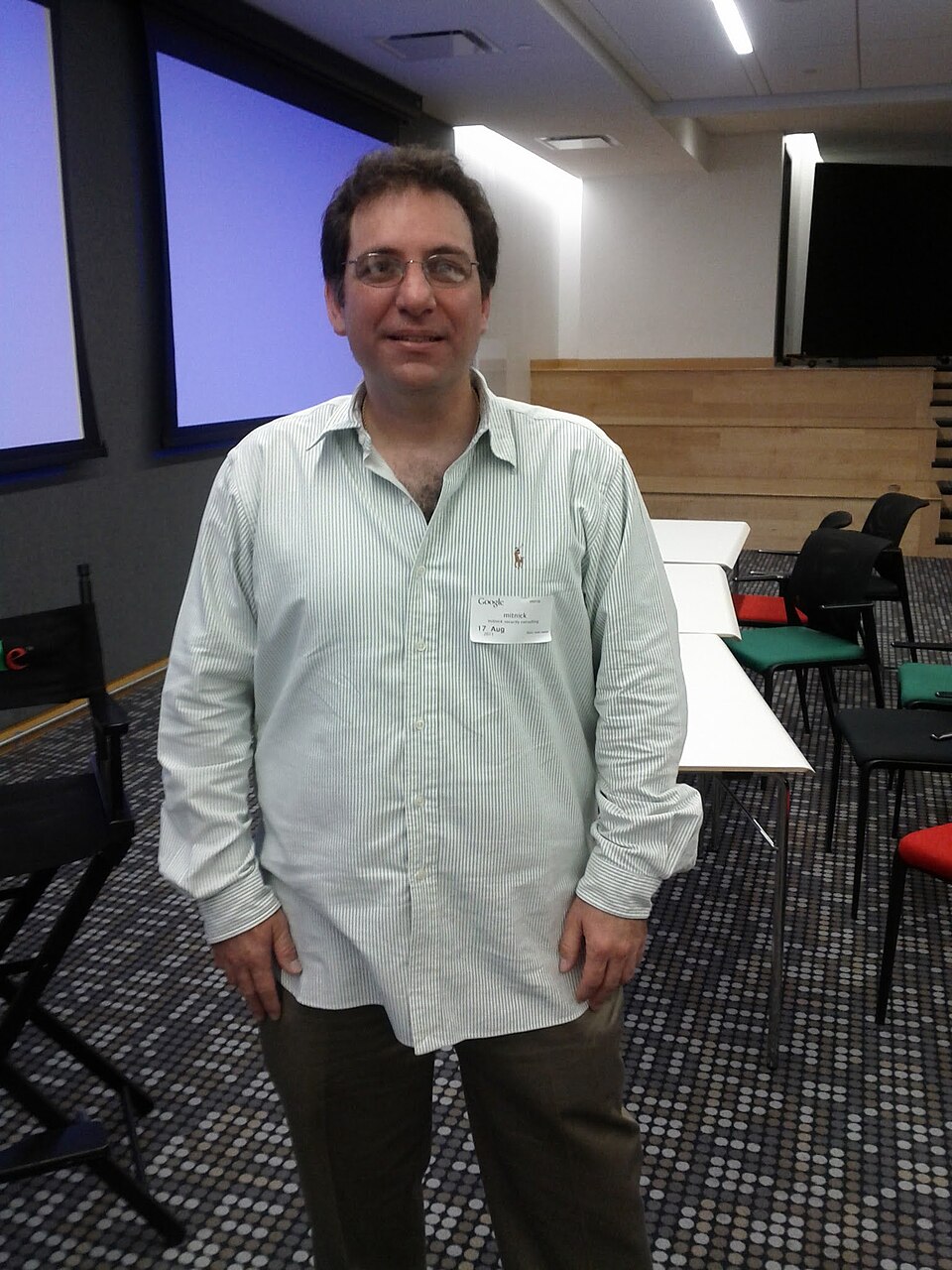
The FBI's most wanted cybercriminal — whose primary weapon was a voice on a phone, not a line of code. He died in 2023 having spent his final decades as the world's most famous security consultant.
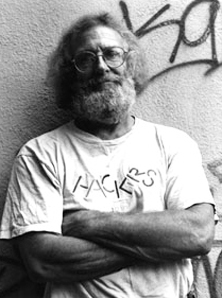
Codified the hacker ethic into a political program with GNU and the GPL license. Every Linux server, Android phone, and open web runs on infrastructure he was building when the internet was still a government experiment.
An astronomer who followed a 75-cent billing error for ten months and found a KGB-sponsored hacker ring — accidentally writing the founding document of incident response.
Released the first major internet worm as a grad student, crashed 10% of the internet, became the first CFAA conviction. He later co-founded Y Combinator — the pipeline from "broke everything" to "funds everything."
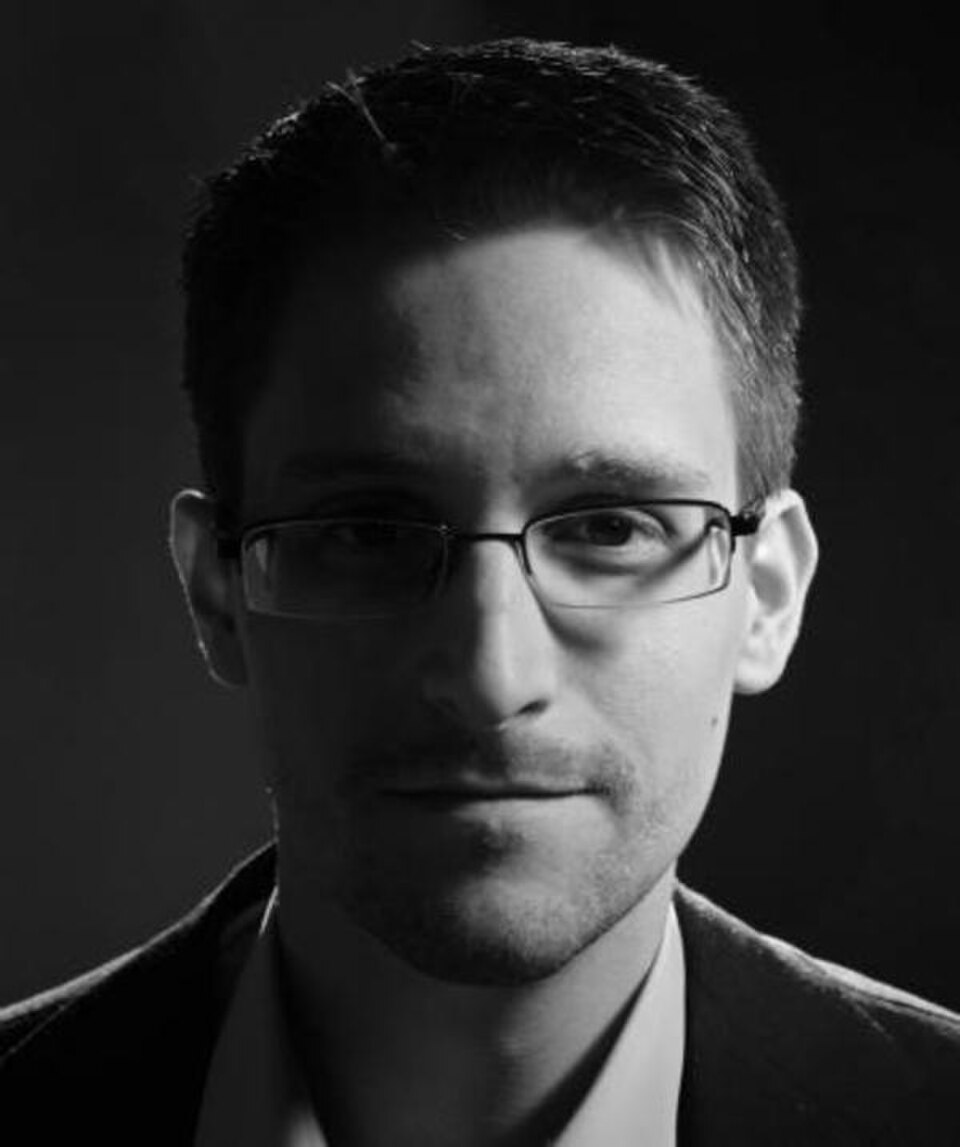
Revealed the NSA had been running the largest unauthorized computer access operation in history — using the same laws used to prosecute hackers. He has lived in Russian exile since 2013.
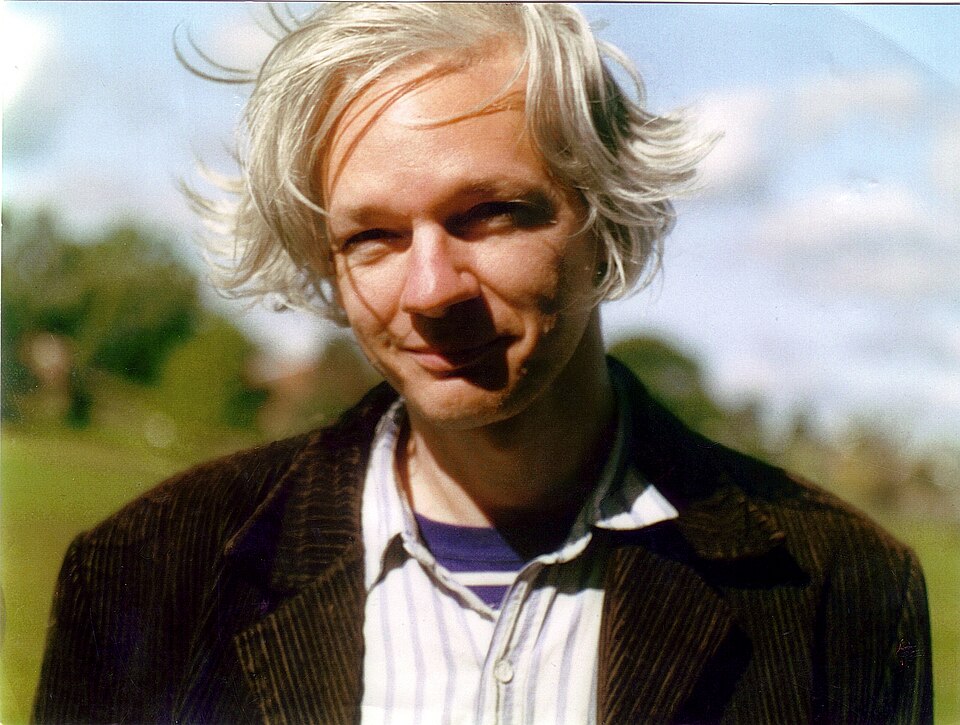
A former hacker who built the infrastructure for radical transparency and spent a decade in an Ecuadorian embassy avoiding extradition. Whether he is a journalist, a criminal, or a weapon depends on whose government the documents embarrass.
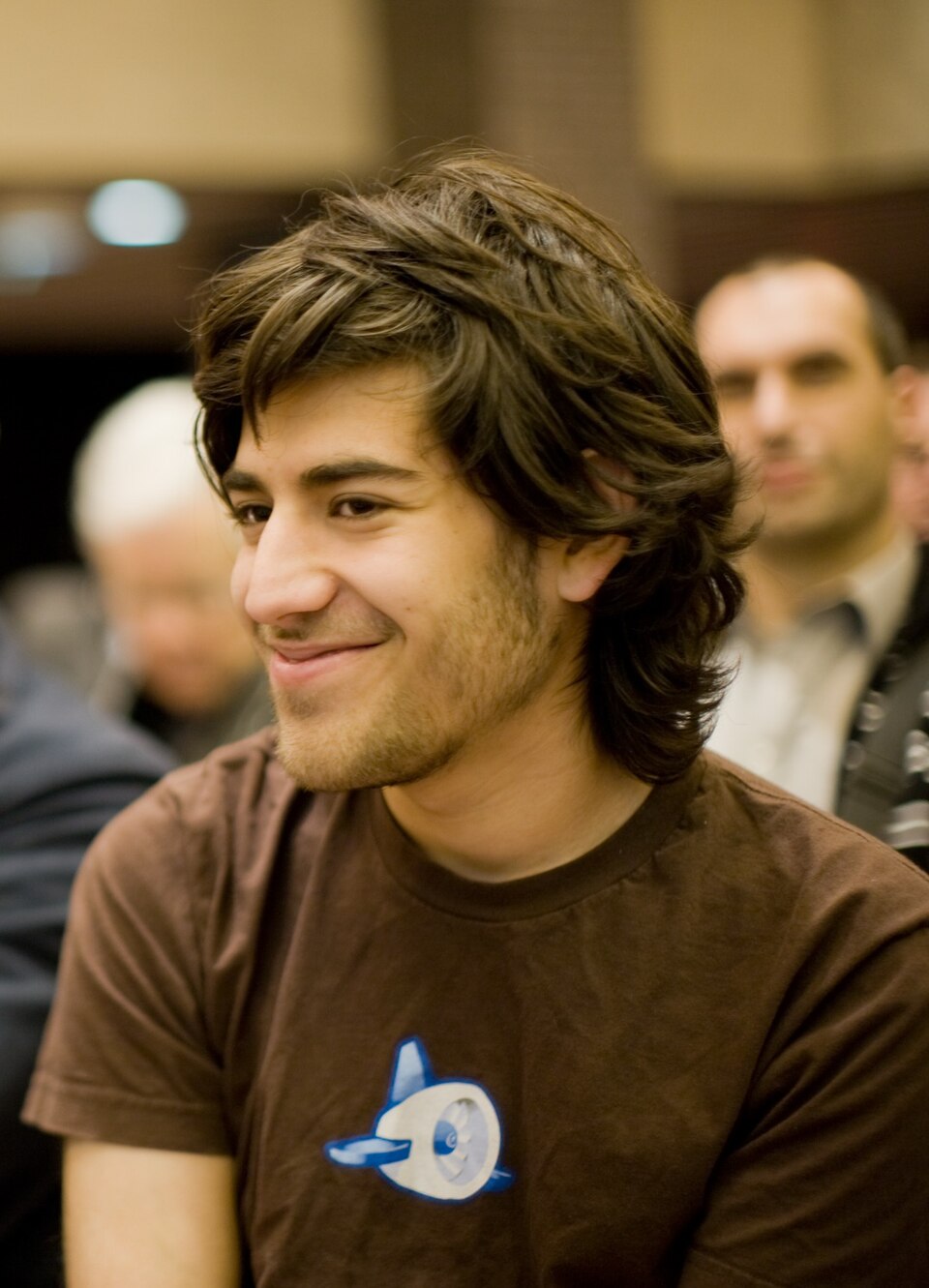
Co-created RSS at 14, helped build Reddit, fought for open access to publicly funded research. He faced 35 years in prison for downloading academic papers using a university ethernet port, and died by suicide in 2013, aged 26.
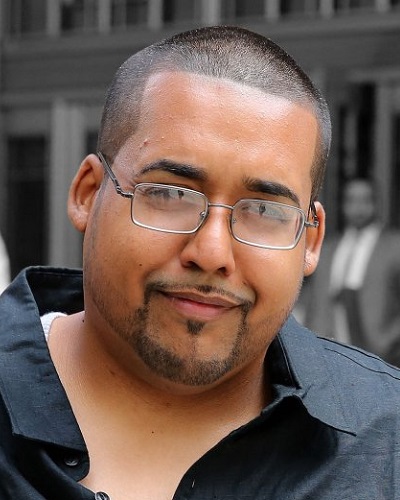
One of Anonymous and LulzSec's most prominent operatives — and the man who brought them down. Arrested in secret, he cooperated with the FBI for months, proving trust is always the most exploitable vulnerability.
From toy whistles and telephone switches to nation-state cyberweapons — the full arc of hacking, and the uncomfortable argument at its center: the most powerful hackers in history work for governments.

_(cropped).jpg)

.jpg)