From a modest 13-team tournament in Uruguay to the 48-nation spectacle arriving in North America in 2026 — the story of the sport that unites the world.
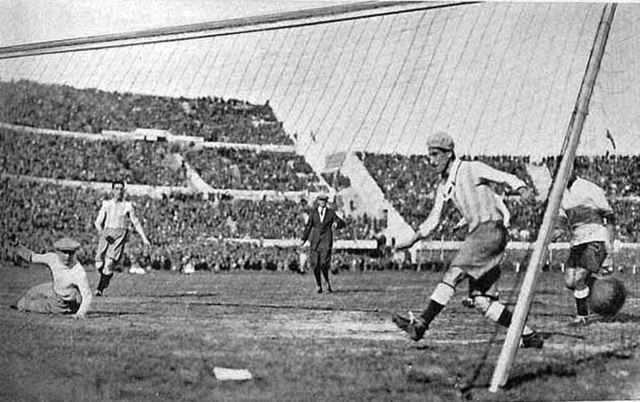
FIFA president Jules Rimet convinces the football world to host a global tournament. Only 13 nations make the trip to Montevideo — European sides resented the long sea voyage. Uruguay win on home soil, beating Argentina 4–2 in the final before 93,000 fans.
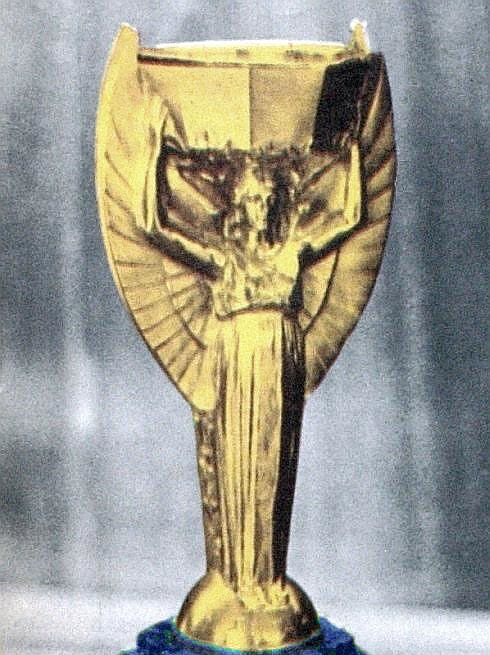
Italy hosts and wins in 1934 under Mussolini's shadow — allegations of referee intimidation persist. In 1938, on the eve of World War II, Italy retain the title in France. The Jules Rimet Trophy is hidden under a bed by an Italian official to prevent Nazi seizure during the war.
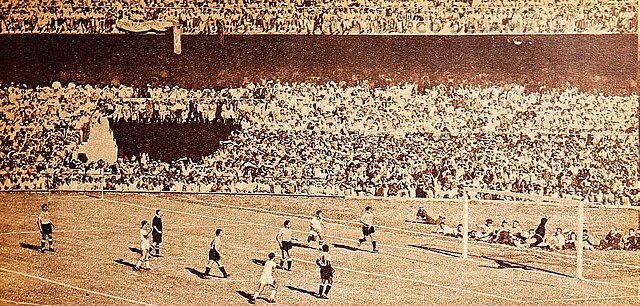
Brazil build the Maracanã stadium — 200,000 capacity — to host the World Cup they expect to win. In the final group game, a 1–0 loss to Uruguay shatters the nation. Brazilian playwright Nelson Rodrigues calls it "our Hiroshima." The wound never fully healed.
The inventors of football finally deign to enter the World Cup in 1950. England are shocked 1–0 by the United States in the group stage. The US goal is scored by Joe Gaetjens, a Haitian-American dishwasher. English newspapers assume the scoreline is a typo. It isn't.
Hungary enter as the world's greatest team — 32 games unbeaten. They beat West Germany 8–3 in the group stage. In the final, West Germany win 3–2. Fritz Walter and Helmut Rahn orchestrate one of sport's great upsets. Post-war Germany has its first moment of national pride.
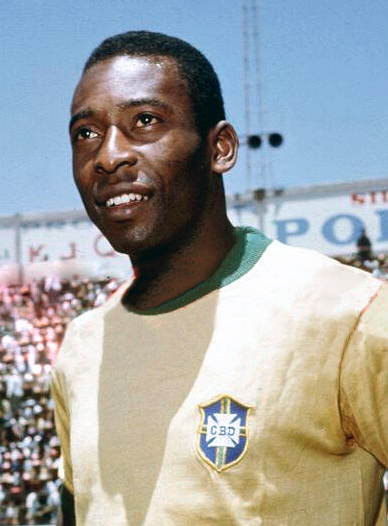
A 17-year-old from Santos scores a hat-trick in the semi-final against France, then two more in a 5–2 final win over Sweden. Pelé weeps on the pitch after the final whistle. The world has never seen anything like it. Brazil begin their era of global football dominance.
Geoff Hurst scores a hat-trick in the final as England beat West Germany 4–2 at Wembley. His third goal — off the underside of the bar — is the most disputed goal in a final ever. The linesman gives it. "They think it's all over — it is now." England have never come close since.
Pelé, Jairzinho, Tostão, Carlos Alberto. Brazil win every game, score 19 goals, and produce the most beautiful football ever played. The final goal — a 10-pass move finished by Carlos Alberto — is voted the greatest World Cup goal in history. They keep the Jules Rimet Trophy forever.
I told myself before the game — he's made of skin and bones just like everyone else. But I was wrong.
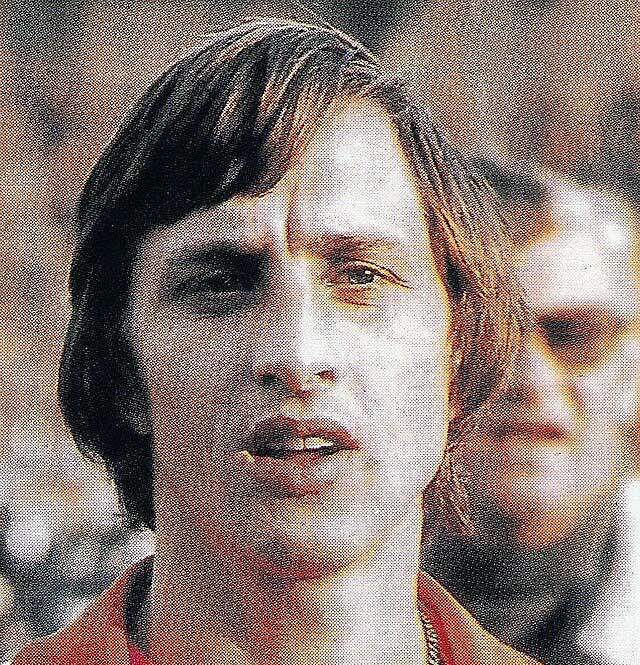
Johan Cruyff's Netherlands play the most beautiful football the world has seen since Brazil '70 — fluid, interchangeable, pressing. They lose the final to the hosts West Germany, yet their style reshapes how the game is played. The 'Cruyff Turn' is invented in this tournament.
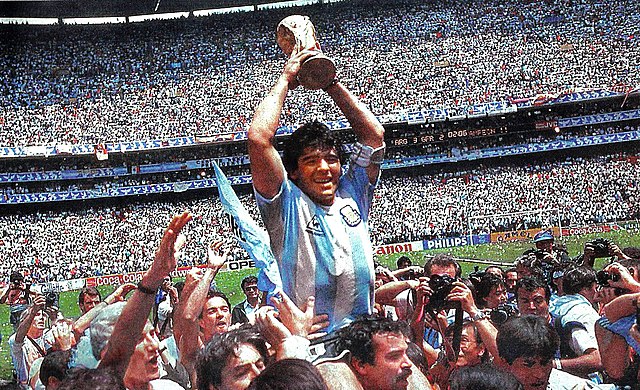
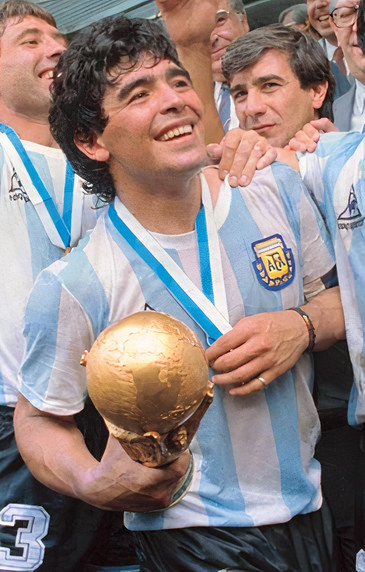
In five minutes, Maradona scores the most controversial goal in history (a handball he calls "the Hand of God") and then the greatest — a 60-yard dribble past five defenders and the goalkeeper. He wins the tournament almost single-handed. Argentina beat West Germany in the final. Maradona is transcendent.
Suspended for two years for his involvement in a match-fixing scandal, Rossi returns to score six goals in three games, including a hat-trick against Brazil that eliminates the tournament's best team. Italy win the final against West Germany. Rossi wins the Golden Boot and Ballon d'Or.
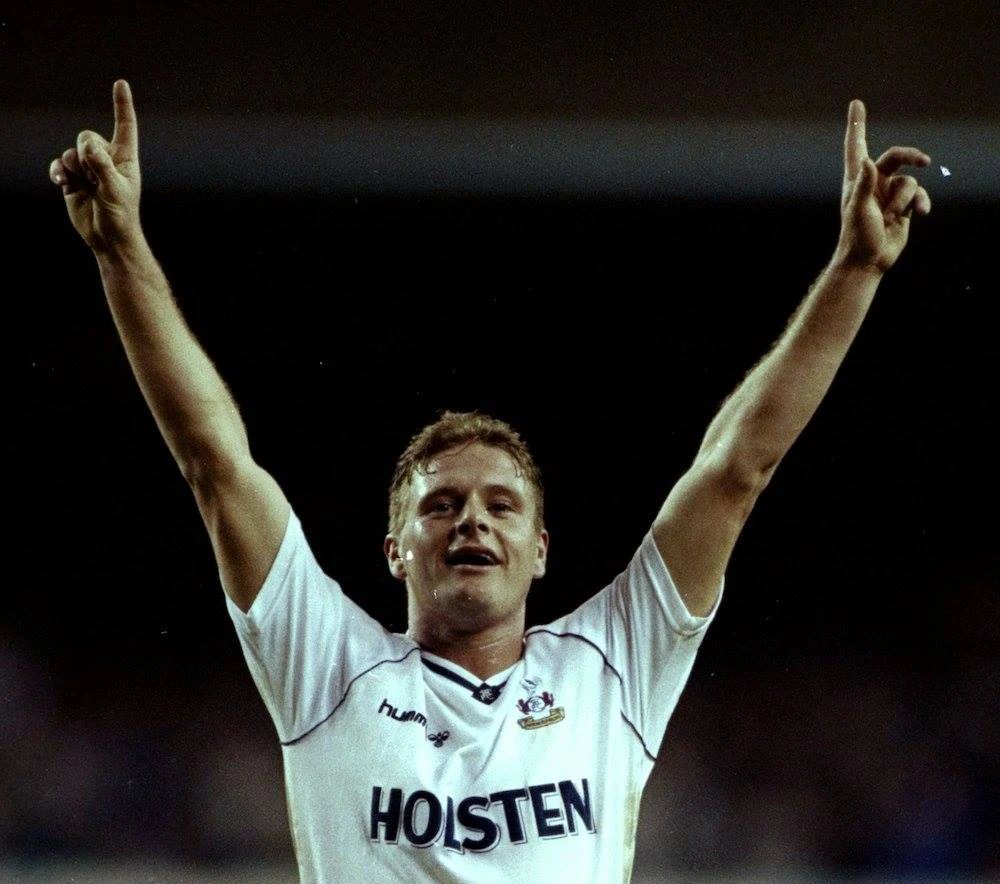
Italy 1990 is the most defensively turgid World Cup ever. Goals per game hit an all-time low. Yet it produces Gazza's tears, Schillaci's unlikely golden boot, and the first penalty shootout to decide a semi-final. West Germany beat Argentina in a cynical final. Still impossibly memorable.
The most-watched World Cup final until Qatar 2022. Brazil and Italy play 120 goalless minutes. Roberto Baggio — tournament's best player — steps up for Italy's final spot-kick. He blazes it over. Brazil win. Baggio stares at the sky in a moment burned into football's memory forever.
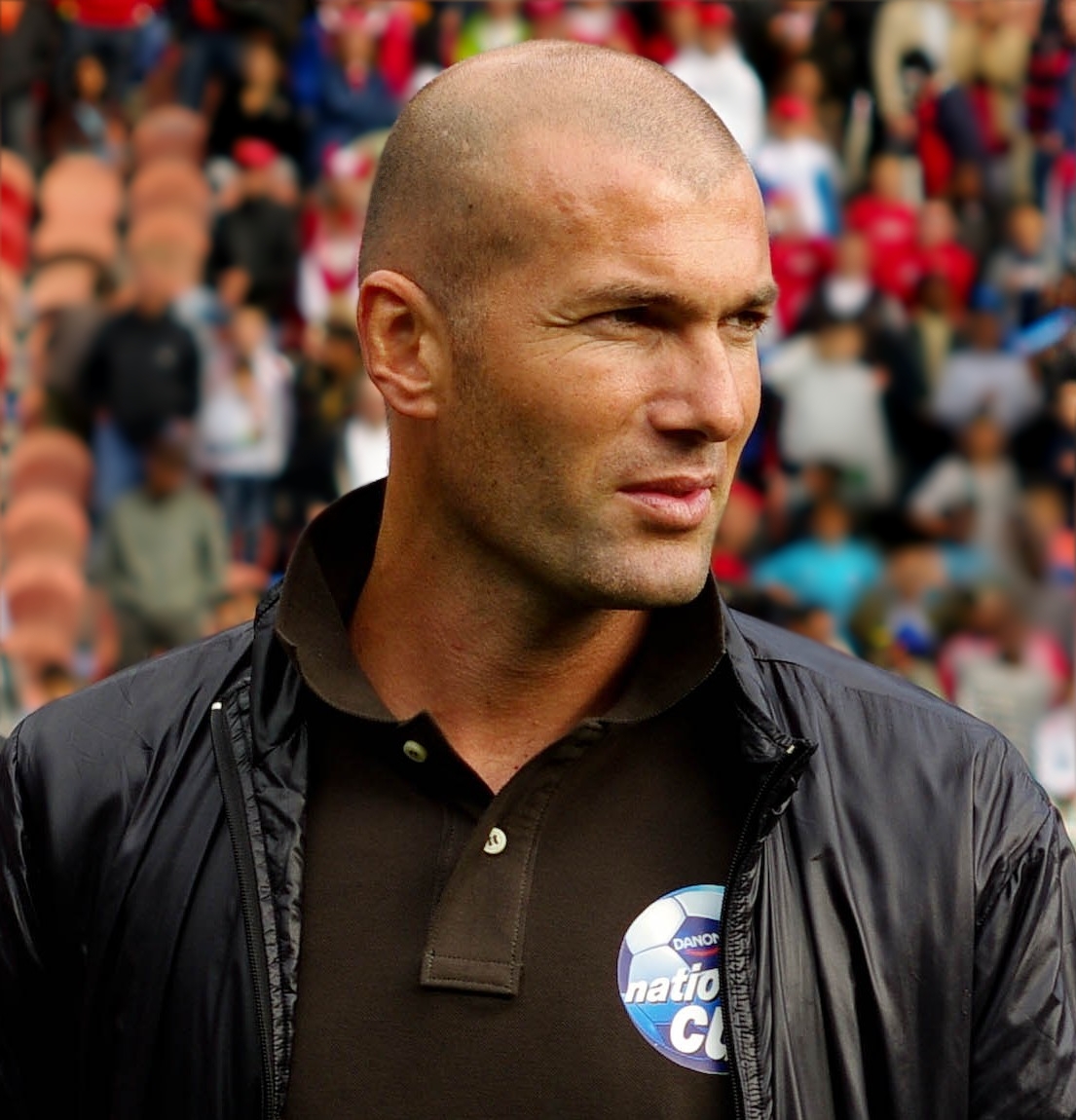
Zinedine Zidane scores twice with headers in the first half against Brazil — who are missing a mysteriously ill Ronaldo. France win 3–0 on home soil. Zidane, the son of Algerian immigrants, becomes a national hero. A country unites behind a team that represents modern France.
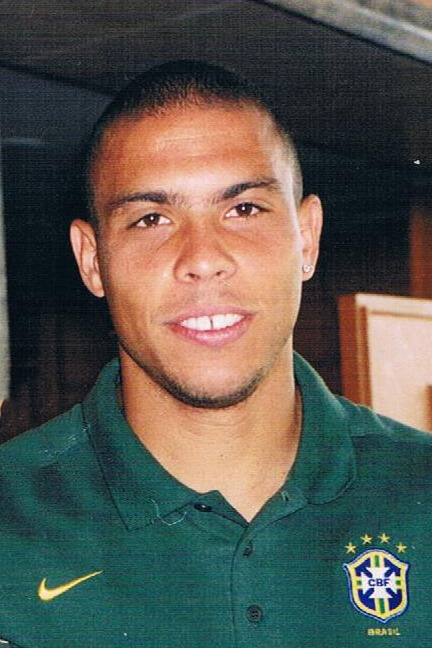
Co-hosted by Japan and South Korea, the 2002 tournament sees South Korea reach the semi-finals — eliminating Spain and Germany along the way, controversially. Ronaldo, recovered from his 1998 mystery illness, wins the Golden Boot and the trophy. Brazil's fifth title.
In his last professional match, Zidane headbutts Italian defender Marco Materazzi in the chest in the World Cup final. He is sent off. Italy win on penalties. The image of Zidane walking past the World Cup trophy — already engraved with his name — is one of sport's great tragedies.
Football is the most beautiful thing God ever created.
Spain, the dominant force of world football under Pep Guardiola's Barcelona model, win their first World Cup. Andrés Iniesta's extra-time goal in South Africa — the first World Cup on African soil — is his greatest moment. The vuvuzela becomes the sound of a continent's celebration.
Brazil host again, expecting redemption for 1950. Germany score 7 goals in the semi-final. Brazil concede 5 in 18 minutes. The Mineirão stadium falls silent. Players weep on the pitch. The "Mineirazo" becomes Brazil's second national trauma. Germany beat Argentina 1–0 in the final — Mario Götze scores in extra time.
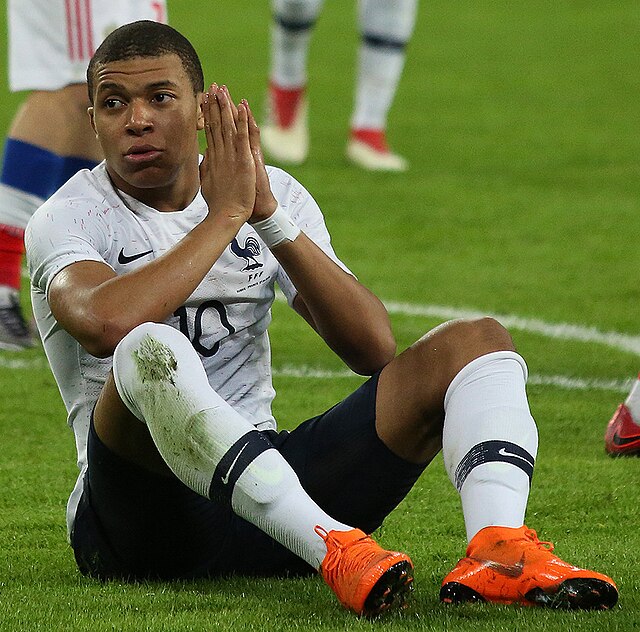
France beat Croatia 4–2 in Moscow, with Kylian Mbappé becoming the second teenager after Pelé to score in a World Cup final. Croatia, playing their first final, are superb throughout the tournament — Luka Modrić wins the Golden Ball. VAR makes its controversial debut.
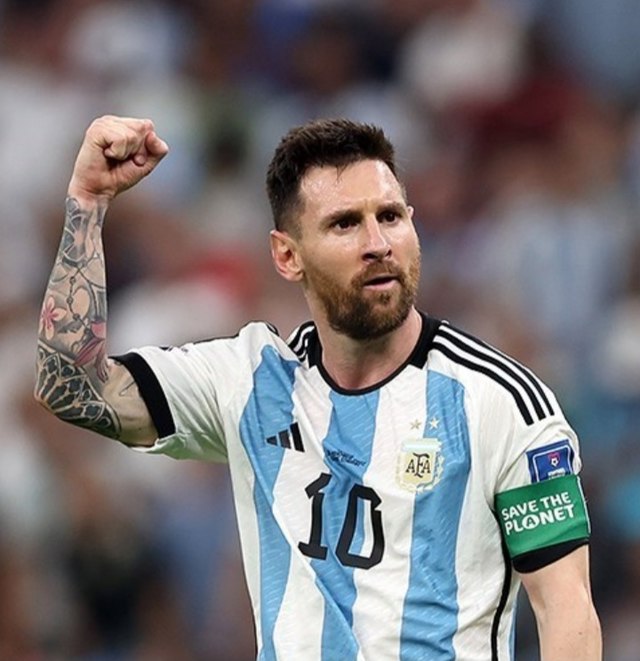
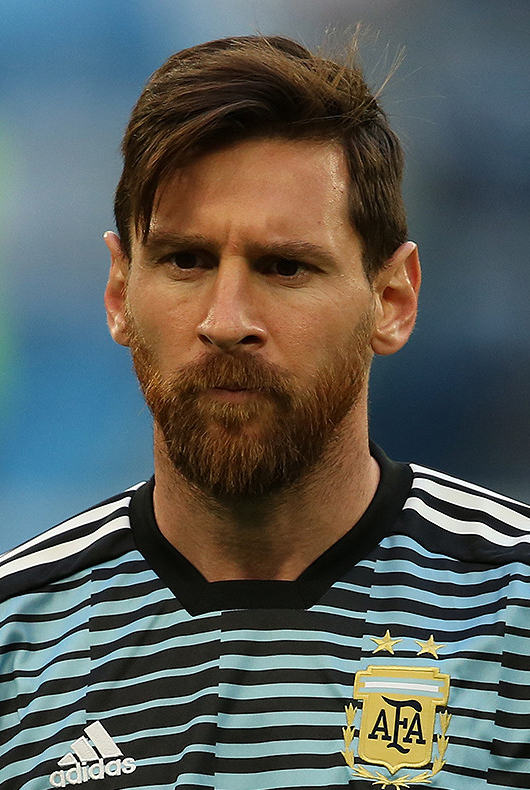
Argentina lead 2–0 with ten minutes to go. Mbappé scores twice to level it. Messi scores again in extra time. Mbappé completes his hat-trick to level again. Argentina win on penalties. 1.5 billion people watch. The debate over the greatest player of all time ends. Messi has done it at a World Cup.


From Uruguay 1930 to the 48-team era — nearly a century of football's greatest tournament, the goals, the upsets, and the legends who defined it.